How Houston's Humidity Levels Complicate the Drying Process
Published: 2026-04-22 · By SafeWave Water Damage Restoration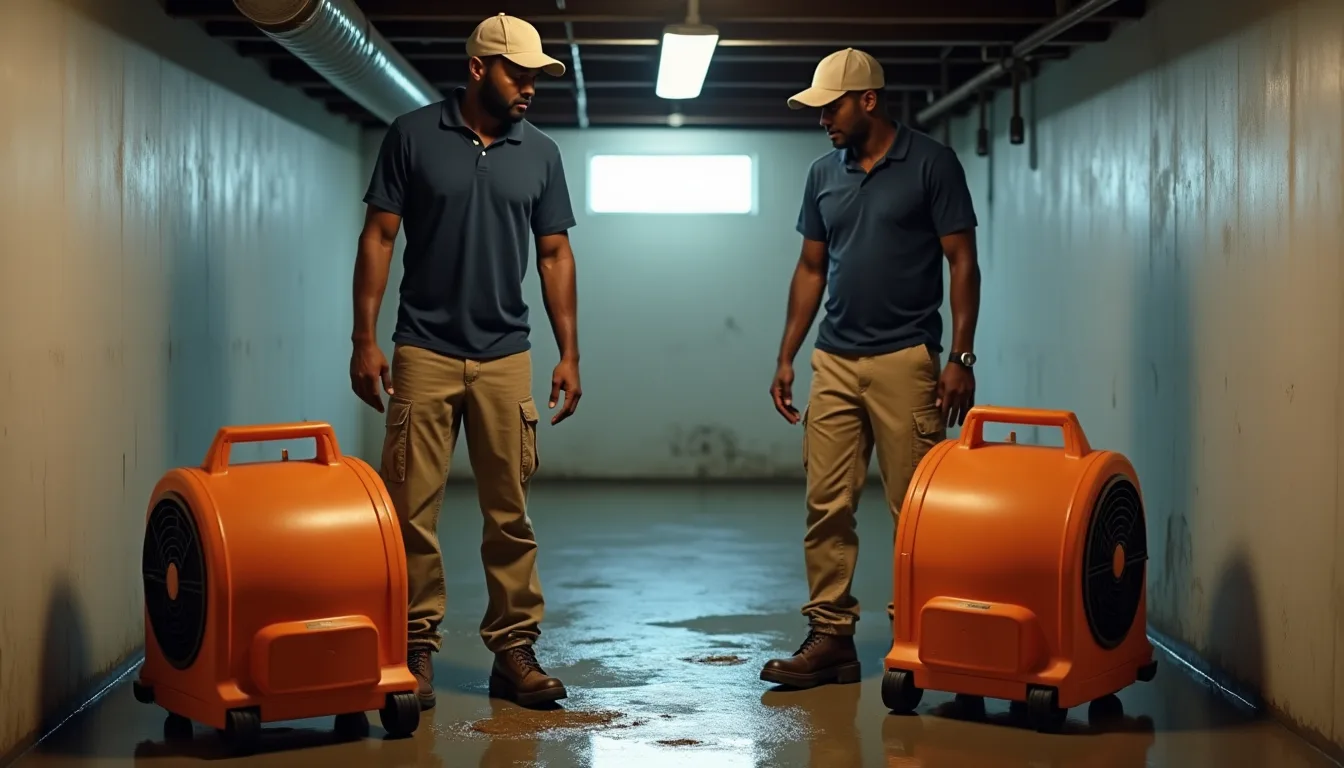
Imagine returning home after a long day in Houston's sweltering heat, only to discover water pooling in your living room due to a sudden storm. The high humidity enveloping the city has worsened this situation, making you wonder how long it will take for your home to dry out completely. Unfortunately, the process may be more complex than you thought, especially in a city known for its unpredictable weather and moisture-laden environment.
Why This Matters for Houston Homeowners
For Houston homeowners, the city's extreme humidity can be a double-edged sword when it comes to water damage restoration. The moisture in the air can significantly slow down the drying process, prolonging the risk of mold growth and structural damage. Given that Houston often experiences severe thunderstorms, the likelihood of water intrusion is not uncommon. Additionally, many homes in the area sit on unstable clay soil, which expands and contracts, leading to foundation issues that can compound water damage problems.
The increased moisture and heat also create a breeding ground for mold within just 24 to 48 hours, making prompt restoration essential. Homeowners must act quickly to address any leaks or flooding. Failure to do so can result in extensive damage and costly repairs that could have been easily avoided.
The humidity levels in Houston can rise dramatically, especially between June and November during hurricane season. It's crucial to have a plan in place before disaster strikes.
Expert Solutions & Actionable Tips
1. Understand Humidity's Role
Humidity levels in Houston can reach over 90% during summer thunderstorms. This saturation makes evaporation slower, which means your home will retain moisture longer. You can expect a drying process to take twice as long compared to dryer climates. Investing in high-capacity dehumidifiers can cut down on these timelines, with prices ranging from $200 to $600 for effective units.
2. Inspect Your Property's Vulnerabilities
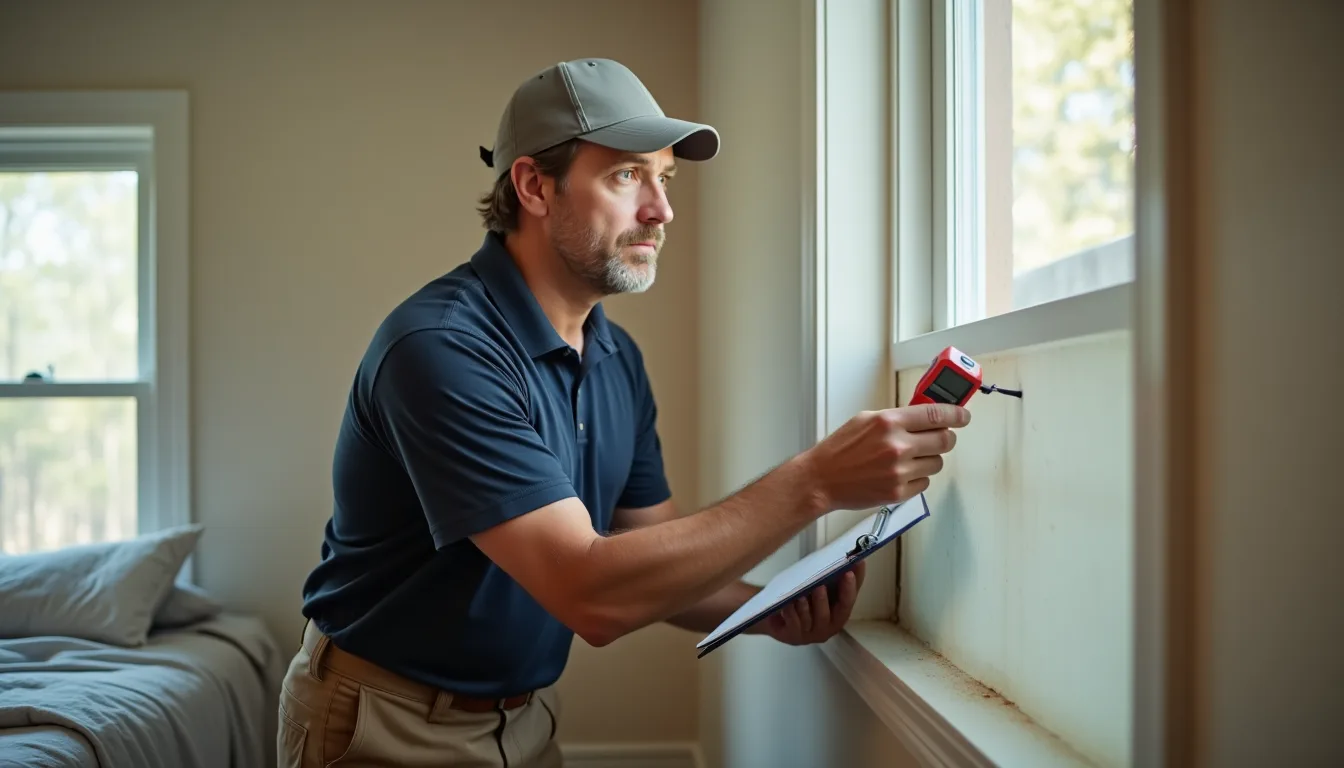
Clay soil can wreak havoc on your foundation, contributing to leaks as the ground shifts. Regularly inspect your property for cracks or gaps and repair them promptly. You might spend around $300 to $1,000 on foundation repairs, but a small investment can prevent significant water damage later on.
3. Document Everything
In cases of water damage, documentation is crucial for insurance claims. Always take pictures of affected areas before starting any cleanup. This ensures you have clear evidence to present to your insurance provider. Keeping receipts from any restoration efforts organized can also assist in receiving reimbursements.
4. When to Call the Experts
The complexity of Houston's climate makes it necessary to connect with water damage restoration professionals quickly. For a cleanup professionally done, expect costs around $1,000 to $3,500 depending on the damage severity. If you notice waterlogged carpets or walls with stains, reach out to a service provider to assess the situation.
5. Utilize Natural Ventilation
On dry days, with humidity less than 50%, open windows and doors to promote airflow through your home. This can help manipulate indoor moisture levels and speed up the drying process. Natural ventilation is essential because air movement can facilitate evaporation within your home, making a notable difference in the drying timeline at no cost.
6. Invest in Preventative Measures
Avoid future damage by sealing your home's exterior. Use waterproof paint and ensure gutters are clean and directing water away from the foundation. Each precaution can cost around $150 to $500, but this is significantly less than the cost of remediation after severe water intrusion occurs.
Houston Climate & Local Context
Houston's climate poses unique challenges for property owners, especially during peak hurricane season from June to November. The combination of high humidity and sudden heavy rainfall can quickly overwhelm drainage systems, resulting in water accumulation both inside and around homes. The expansive clay soil leads to shifting foundations that can exacerbate these issues, particularly in older homes.
Furthermore, the city has specific building codes to address potential damage from flooding. Owners must adhere to local regulations when undertaking restoration projects, including obtaining any necessary permits for repair work. Understanding these considerations is essential to properly navigate the complex landscape of home restoration in Houston and protect your investment.
When to Call a Professional
Determining whether to tackle water damage issues personally or hire professionals can be confusing. In certain situations, a DIY approach may be feasible but could also lead to further problems if not handled correctly. It's essential to consider the depth of damage and potential health risks associated with undetected mold.
- Visible mold growth on walls and ceilings
- Water intrusion after a storm or flood
- Unpleasant odors suggesting water damage
- Damage to electrical systems
- Structural damage visible in floors or walls
- Severe flooding that affects large areas of your home
In these scenarios, contacting a water damage restoration expert is the best choice. Professionals will utilize advanced techniques and equipment to ensure that your home is restored effectively and safely, saving you time and potential health concerns down the line.
Frequently Asked Questions
What should I do first after discovering water damage?
Assess the source and turn off any utilities if necessary. Use towels and mops to absorb water while waiting for professional assistance from SafeWave Water Damage Restoration.
How long does the restoration process typically take?
The duration can vary significantly based on the extent of the damage. Generally, you can expect a complete restoration to take from 3 to 7 days.
Is it possible to prevent mold after water damage?
Yes, maintaining low humidity levels and ensuring prompt drying can inhibit mold growth. Professional services can further mitigate risks.
What does water damage restoration include?
Services encompass water removal, drying, sanitation, mold remediation, and, if necessary, reconstruction. SafeWave ensures every step is handled efficiently.
Are there any local Houston regulations I should know about?
Yes, Houston has specific building regulations regarding flood safety and restoration, especially in flood-prone areas. Familiarizing yourself with these can facilitate your recovery process.
Get Expert Water Damage Restoration Service in Houston
Don’t let water damage disrupt your life; contact SafeWave Water Damage Restoration at (832) 895-2201 today. Our team is committed to serving Houston residents and ensuring your home is safe and habitable.
Act fast to mitigate further damage—SafeWave is here to assist with expert solutions tailored to our local climate and conditions.
Service Areas
More Articles
Category 1 vs Category 3 Water Damage: What Houston Residents Must Know
2026-04-22
Water Damage Restoration3 Signs You Need Professional Water Damage Restoration in Houston
2026-04-22
Water Damage Restoration7 Lessons Learned from Major Water Damage Restoration Events in Houston
2026-04-22